Offline marketing, even in this super digital age, continues to get results that a lot of online ads just can’t match. Oldschool methods might seem a little outdated, but they bring some unique strengths to the table, especially for businesses looking to cut through the digital clutter.
I’ve spent years working with both digital and offline channels, and there’s something special about holding a welldesigned flyer or receiving a personalized postcard in the mail. Here’s what really makes offline marketing so effective today, and why a lot of brands are doubling down on these strategies despite advances in technology.
The Offline Edge: Rising Digital Costs and Changes in the Landscape
Digital marketing has gotten a lot more expensive. The cost per click for online ads, social media promotions, and even basic search campaigns keeps climbing because competition is fierce and more businesses are fighting for the same eyeballs. Startups and small businesses especially feel this pinch. A few years ago, you could run a Facebook ad with just a few bucks and actually get solid results. Now, even with a healthy budget, that same ad might barely get noticed.
Plus, adblockers and privacy changes forced platforms to switch up the game. Apple’s privacy updates, for example, made tracking ads much harder. Google’s done some spring cleaning with their algorithms and cookies, too. These changes mean less data, less targeting, and usually worse performance on the same spend. So for a lot of brands, offline marketing isn’t just nostalgia, it’s a practical way to get noticed and stretch the budget way further while skirting some of the hassles of digital trends.
Physical Connection: Why Hard Copy Letters Still Work
A physical letter or postcard feels a lot more personal than another email. I’ve actually seen response rates double or even triple with mailed offers compared to email blasts. There’s an undeniable sense of effort. It’s like someone took the time to really reach out. Holding a letter or colorful brochure makes it real in a way that a digital message just can’t. People pause, they touch the paper, maybe pin it to the fridge or leave it on their desk. That’s longerlasting presence.
When I get a handwritten note or even just a nicely printed postcard, I’m a lot more likely to actually read the message. There’s a physical connection that helps build trust and credibility. If you’re trying to nurture leads, a direct mail letter or personalized print piece can feel like a oneonone conversation in a world full of massproduced messages. In many cases, people are more inclined to trust something they can physically hold, which gives you an edge you might not achieve with a simple email.
Email vs. Direct Mail: The Attention Game
The average person gets hit with more emails every single day than they could ever keep up with. Between newsletters, promo offers, receipts, and actual important stuff, an inbox can overflow fast. Recent studies suggest the average time someone spends reading a marketing email is under 3 seconds before clicking away or deleting it. I know my inbox is a graveyard of unread promos, and I’m betting yours is too.
Contrast that with direct mail, where people actually open, hold, and look at the message for longer. Research from the Data & Marketing Association found that direct mail sticks around an average of 17 days in a home. People leave pieces on the counter, the kitchen table, or even pass them along to family members. That means more impressions, longer brand recall, and more time to act on an offer, creating opportunities for additional conversion or sharing.
Cost to Acquire New Customers: Surprising Savings Offline
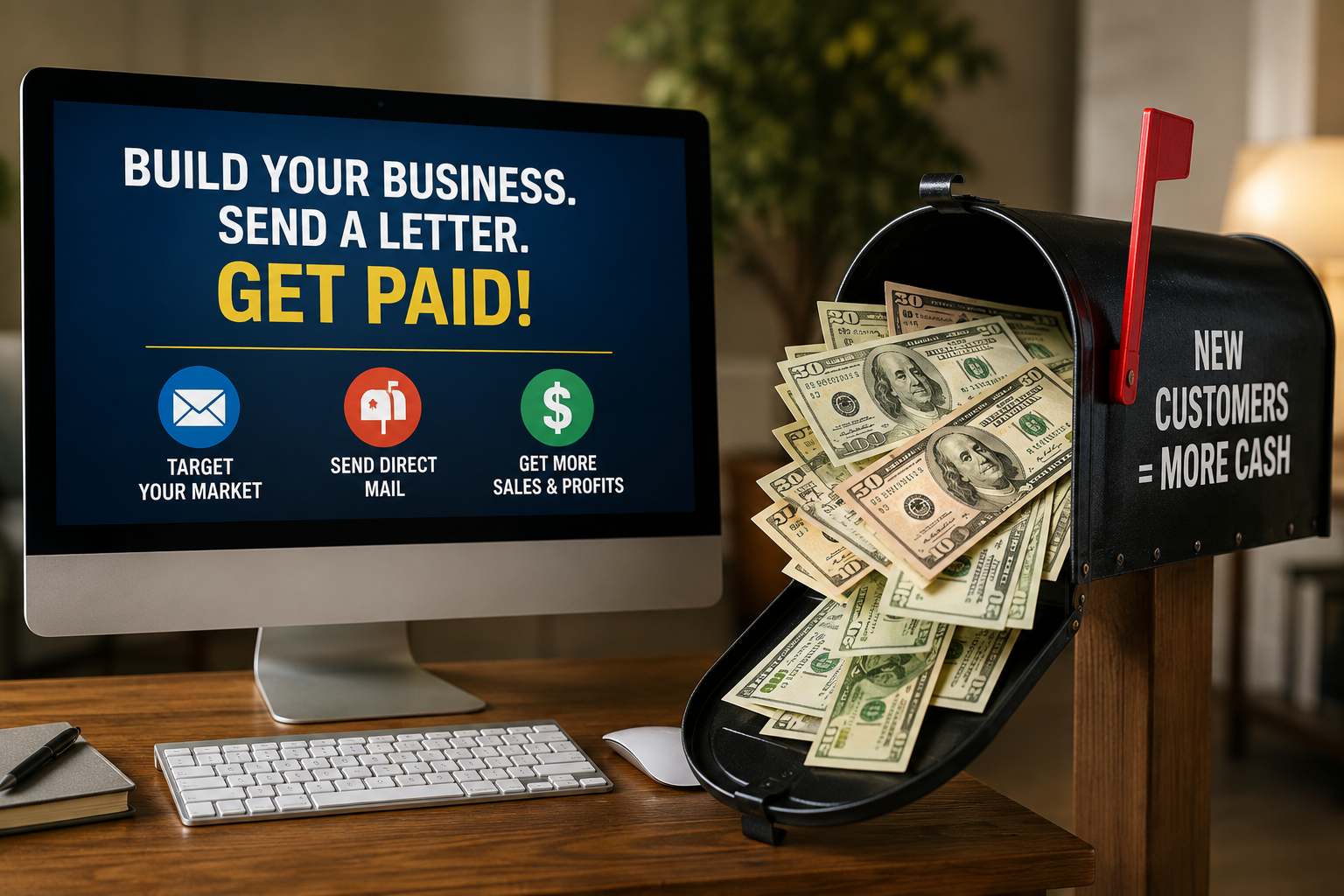
This one surprises a lot of people. Many assume print and postage costs make direct mail or flyers more expensive. Turns out, because of overcrowded digital channels, acquiring new customers offline can actually be cheaper. When you factor in soaring online ad prices, wasted impressions, and low engagement, a wellplanned offline campaign goes further per dollar spent.
For example, sending 1,000 postcards might cost less than running online campaigns targeting the same number of people. Results can be stronger with direct mail if your audience is right. You get higher open and read rates, and you’re not paying for clicks that lead nowhere. Some companies see that their cost per lead is way lower with targeted mailers than with digital ads, especially in industries where trust and personal attention matter most. It pays to keep an open mind and check out results beyond the digital world.
Benefits of Offline Marketing You Should Know
Offline methods like print ads, direct mail, branded swag, event sponsorships, and even billboards bring a few things digital just can’t:
- Tactile Experience: People enjoy handling something tangible. It naturally feels more memorable and authentic.
- Low Competition for Attention: Since most brands have moved digital, getting a nice print piece or mailer is more novel than ever. Fewer distractions mean higher chances people notice.
- Longer Presence: Physical mail sits around. Even if the person isn’t interested right away, someone in the household might be after a few days of seeing that piece on the table.
- Trust Factor: Printed materials or branded giveaways instantly create a small sense of legitimacy. It costs more effort and feels like a real business, not just a popup ad.
Beyond this, offline marketing lets you reach audiences who may not be as active online or who feel burned out by constant digital noise. Clients often stumble upon your brand when flipping through the mail, running errands, or visiting local spots adorned with flyers and posters. That serendipity can win hearts in a way online targeting sometimes misses.
Finding the Right Offline Tactics for Your Business
Not all offline efforts work the same for every business, but these are some classic approaches to consider:
- Direct Mail: Postcards, catalogs, letters, and offers sent straight to a home or office still see high response rates, especially with good design and a clear message.
- Flyers and Brochures: Simple, affordable, and easy to distribute in bulk. Great for local businesses, events, or promotions.
- Print Ads in Local Media: Newspaper or magazine ads can still reach audiences who don’t spend all day online. Community newsletters have super loyal readers.
- Event Sponsorship: Even sponsoring a local race or charity event builds positive brand vibes and faceto-face engagement.
- Branded Promotions: Swag like pens, reusable bags, or notepads keeps your brand visible long after the first connection.
Depending on your type of business, you might also consider outdoor signs, trade shows, or participating in community fairs. All of these build brand recognition and trust in a setting that online ads may struggle to reach. Connecting directly with people in a physical setting is a big deal for businesses looking to step up their local reputation.
When Offline Marketing is a Smart Move
I’ve found offline strategies work really well when you want:
- To stand out from digital noise, especially if your local competitors are allin on Google and Facebook ads.
- To build longterm relationships, for industries like insurance, healthcare, or finance, nothing beats a physical newsletter or a mailer explaining your services.
- To reach an audience that values trust, like older adults or homeowners who don’t respond to online ads.
There are moments when an offline touchpoint is the difference between gaining and losing a lead. For example, businesses looking to strengthen loyalty or show appreciation often see huge value in mailing thank you cards, sending holiday greetings, or distributing exclusive event invites to their best customers.
Challenges Unique to Offline Marketing (and How to Handle Them)
- Printing Costs: Quality design and printing aren’t always cheap, but planning big batches, sticking to standard sizes, and working with local printers keeps costs in check.
- Tracking Results: It’s not as straightforward as digital, but you can use coupon codes, custom phone numbers, or QR codes to track responses.
- Targeting: You don’t get microtargeting like you do online. Building or buying a quality mailing list and updating it regularly makes all the difference.
- Lead Time: Designing, printing, and mailing takes longer than launching a digital ad. Planning ahead helps avoid lastminute rush fees and ensures your message is timely.
One more thing to weigh is waste. Unlike digital campaigns where you can tweak as you go, once ink is on paper, there’s no quick fix. That’s why a little extra planning, doublechecking your list, and always proofreading matter so much. A misprint or typo is tougher to correct and being detail oriented upfront saves money and headaches later on.
Smart Ways to Blend Offline with Online
The most successful campaigns link offline and digital strategies together. For example, using mailers or print ads with QR codes, website links, or unique promo codes gets people from paper to your website in seconds. Tracking which print pieces drive the most web visits tells you what’s really working. When a direct mail piece encourages a followup online, you combine the trust of the physical connection with the convenience of digital conversion.
Brands I’ve worked with often see the highest response rates when their offline marketing is synced with digital, like following up a mailed offer with a personalized email, or reminding event visitors with a phone call after they picked up a branded notepad at your booth. You can also grow your newsletter list by promoting signup links in your print materials, drawing people further into your online world. Mixing both channels covers more ground and creates more ways for audiences to interact with your brand.
Frequently Asked Questions about Offline Marketing Effectiveness
Does offline marketing work for modern businesses?
Definitely. Direct mail, printed materials, or local sponsorships work for lots of industries, especially for local businesses or those with older audiences. It’s also popular among established brands wanting to build trust and loyalty with existing clients.
How do I figure out if I’m getting results?
Include a special code, a separate phone line, or a QR code unique to each campaign, then check which channels brought in the most leads or sales. If possible, ask customers how they heard about your business during checkout or with a survey to back up your tracking insights.
Is offline marketing only good for local businesses?
Nope! Regional, national, or global brands use direct mail and print to break through digital clutter, nurture loyalty, or add value in crowded markets. Think about those major retail catalogs or branded events—offline marketing can be a serious asset for anyone.
Wrapping Up: Offline Marketing Still Matters
Offline marketing keeps delivering because it’s personal, harder to ignore, and often more cost-effective than fighting for a few seconds of online attention. Whether you’re sending postcards, hosting an event, or dropping brochures around town, real-world marketing can help you build real relationships and grow your customer base in a way that online-only strategies just can’t match. By mixing offline and online, you can step up your strategy, foster trust, and make your brand stand out in a crowded marketplace.