Starting a direct mail business from home can be a pretty solid way to bring in extra cash or build it into something bigger. The idea is simple: you’ll mail letters, postcards, or flyers to potential buyers, often for other businesses looking to reach new leads. If you’re brand new to this kind of work, you definitely don’t need a lot of expensive or complicated stuff. I’m breaking down everything you’ll actually need so you can get started without wasting time or money.
Home Office Essentials for Direct Mail
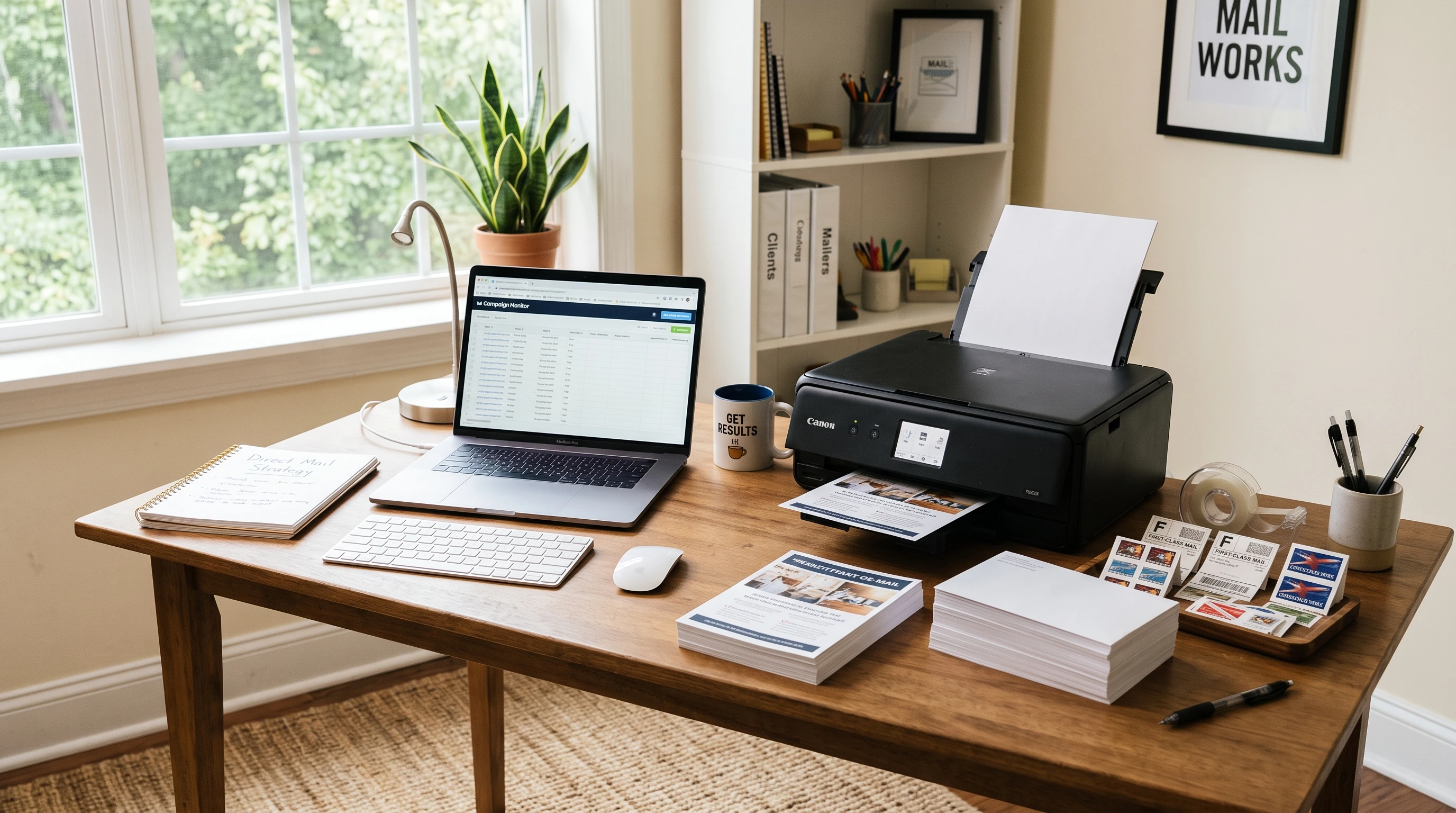
One of the great things about a direct mail business is how little space or gear it takes to launch. You won’t need a fancy office or super high-level technology, but there are a few basics you shouldn’t skip.
- Dedicated Workspace: Set aside a table, desk, or corner in your home for assembling your mailings. When you use the same spot every time, you stay organized and avoid mixing up personal and business stuff.
- Reliable Computer: Even if you’re just starting, you’ll need a computer (desktop or laptop) for basic tasks, like typing up letters, printing addresses, and managing mailing lists. No need for anything fancy. If it can run word processing and email, it works.
- Basic Writing Skills: You’re not expected to be a best selling author, but being able to write short, clear letters or postcards is really important. Simple, conversational messages usually work best.
- Low-Tech KnowHow: The tech skills you’ll need are pretty straightforward, like typing, copying and pasting, using a printer, and managing files. If you can handle everyday emails or fill out a form online, you’re in good shape.
Core Supplies You Can’t Skip
Here’s where you can really keep things simple. No expensive machines or subscriptions required; most of the gear is what you’d find in any home office or be able to pick up locally for cheap.
- Copy Paper: Regular 20–24 lb white copy paper works perfectly. This is for your letters or flyers. A standard ream (500 sheets) will last a while when you’re just starting out.
- Envelopes: Go for plain #10 business envelopes for letters. For postcards or small flyers, you might not need envelopes at all. Make sure whatever you use is clean and professional looking, because first impressions matter, even in a mailbox.
- Inkjet Printer: Most simple inkjet printers (the kind made for home use) do the trick. They print quickly and handle both black and white and color. Make sure to keep extra ink cartridges on hand so you’re never stuck next time you need to print a batch of letters.
- Address Labels (Optional): If you don’t want to handwrite addresses, use peel and stick labels. These go through a regular printer and speed things up a lot if you have more than a handful of pieces to send.
- Postage Stamps: You’ll need a small stock of forever stamps or, if you’re doing larger mailings, rolls for better pricing. Always buy a few extras just in case.
Access to Mailing Lists
Your business revolves around sending offers to people likely to buy. That means you need access to good mailing lists. These are up to date lists of addresses belonging to prospective customers. Usually, you’ll get access to cost effective buyer leads, either through your own network, by subscribing to a service, or from providers (like the one I recommend). Don’t worry about building your own list at first. Focus on using the leads given to you or those you can easily access.
Why Mailing Lists Matter
If you’re sending letters into the void, you’re wasting both time and money. Good mailing lists let you reach people who are actually interested in what you’re offering. This increases the response rate and helps your business grow faster.
The Commitment and Time Side of Direct Mail
The skills and equipment are just half of the story. The part where most people struggle is staying committed and setting aside enough time. Direct mail isn’t fast money. It’s a steady effort over weeks or months before you really see results.
- Sticking With It: Commitment is actually the most important thing for building this business. Mailing consistently, sticking to your schedule, and following up are what separate the folks who do well from those who burn out or quit early.
- Time Investment: Expect to spend at least 5 to 10 hours a week if you want to start making a dent. Some days, that means printing and stuffing envelopes, and other days, it’s following up with responses. Block off this time on your calendar just like you would for a job or appointment.
Keeping Your Workflow Simple
Batch your tasks: print in batches, stuff envelopes in batches, and get everything ready in chunks. This method saves time and makes the process feel less overwhelming. You’ll notice it helps you avoid burnout if you stick to manageable segments instead of marathon sessions.
Budgeting for Your Direct Mail Business
You don’t need a big investment to get rolling, which is one reason I really like this kind of business. Here’s a simple breakdown of what to expect with a starter budget of a few hundred dollars:
- Paper: Around $10 for a ream
- Envelopes: $15 for a box of 500
- Ink cartridges: $20–$35 each, depending on your printer
- Address labels (optional): $10–$20 per 500
- Stamps: $66 for a roll of 100
- Mailing list fees: Varies, but can be as low as $30–$50 to access a basic list from a provider
If you start out with what you already have (like a computer and basic printer), your main ongoing cost is just postage and paper supplies. Many people can easily get started for under $300, including your first mailings and list access. You can even trim costs by buying supplies in bulk as your business starts to grow.
Basic Steps to Launch Your First Mailing
- Set up your workspace and gather your supplies.
- Get access to a list of buyer leads or mailing addresses.
- Write a simple letter or flyer (there are great free templates online if you need a nudge).
- Personalize each letter with the recipient’s name. Mail merge tools make this easier, even in Word.
- Print, stuff into envelopes, and add address labels.
- Apply the stamps and drop the mail at your nearest mailbox or post office.
This process is simple to repeat. As you get comfortable, you can do bigger batches or try out new offers. Staying consistent with these steps is where you’ll see the best results. Remember, tracking your results after each mailing can give you a sense of what works and what might need to be changed.
Common Questions When Getting Started
How many letters should I mail out to see results?
Starting with 100 to 200 pieces per batch is reasonable and affordable. As you learn what works, you can scale up from there.
Can I use a laser printer or does it have to be inkjet?
Either works. Inkjet printers are more common in home offices and affordable, but if you have a laser printer, that’s totally fine, too. Just keep replacement toner or ink handy.
What if I mess up addressing the envelopes?
Print a few extra envelopes and labels just in case. Even experienced mailers make the occasional goof, so having spares saves hassle.
Is it worth handwriting the addresses?
Handwriting can make your mail look more personal and less like “junk mail,” but it definitely takes longer. For big batches, printed labels save lots of time.
Next Steps for Growing Your Direct Mail Business
Once you’ve mailed your first few batches and started seeing responses, you can grow your business by:
- Tracking which offers or messages get the best replies
- Trying out different envelope colors or postcard sizes to see what gets noticed
- Investing in better mailing lists as you grow
- Automating repetitive parts with simple tools, like using mail merge for personalization
Growth doesn’t require dramatic changes. Most successful direct mail businesses stick to the basics and improve little by little as they go. Making small improvements can really add up and make your campaigns stand out more over time.
If you’re willing to stick with these steps and stay consistent, a direct mail business from home can really add up over time. All you need are some basic tools, a little patience, and a few hours each week to get things moving. With steady effort and a focus on getting the fundamentals right, you can gradually turn your side business into a serious source of income.