If you’re running a small homebased publishing venture and you want a way to reliably get your offers in front of the right people, direct mail marketing is definitely worth checking out. Unlike digital ads, direct mail often lands in the hands of buyers who are ready to take action, or at least give your message a solid look. I’m going to break down the basics, practical steps, and real strategies for using direct mail as a solo or small team publisher working straight from your computer.
How Direct Mail Works for Homebased Publishers
Direct mail marketing is pretty straightforward: you send printed sales letters, brochures, or catalogs directly to your target audience by postal mail. For a homebased publisher, this usually means you’re selling information products, like special reports, ebooks (as printed books), courses, or niche newsletters.
What makes this method especially practical is on demand fulfillment, since you only produce and ship a product when an order comes in. This keeps overhead low and risk in check, since you’re never sitting on unsold inventory.
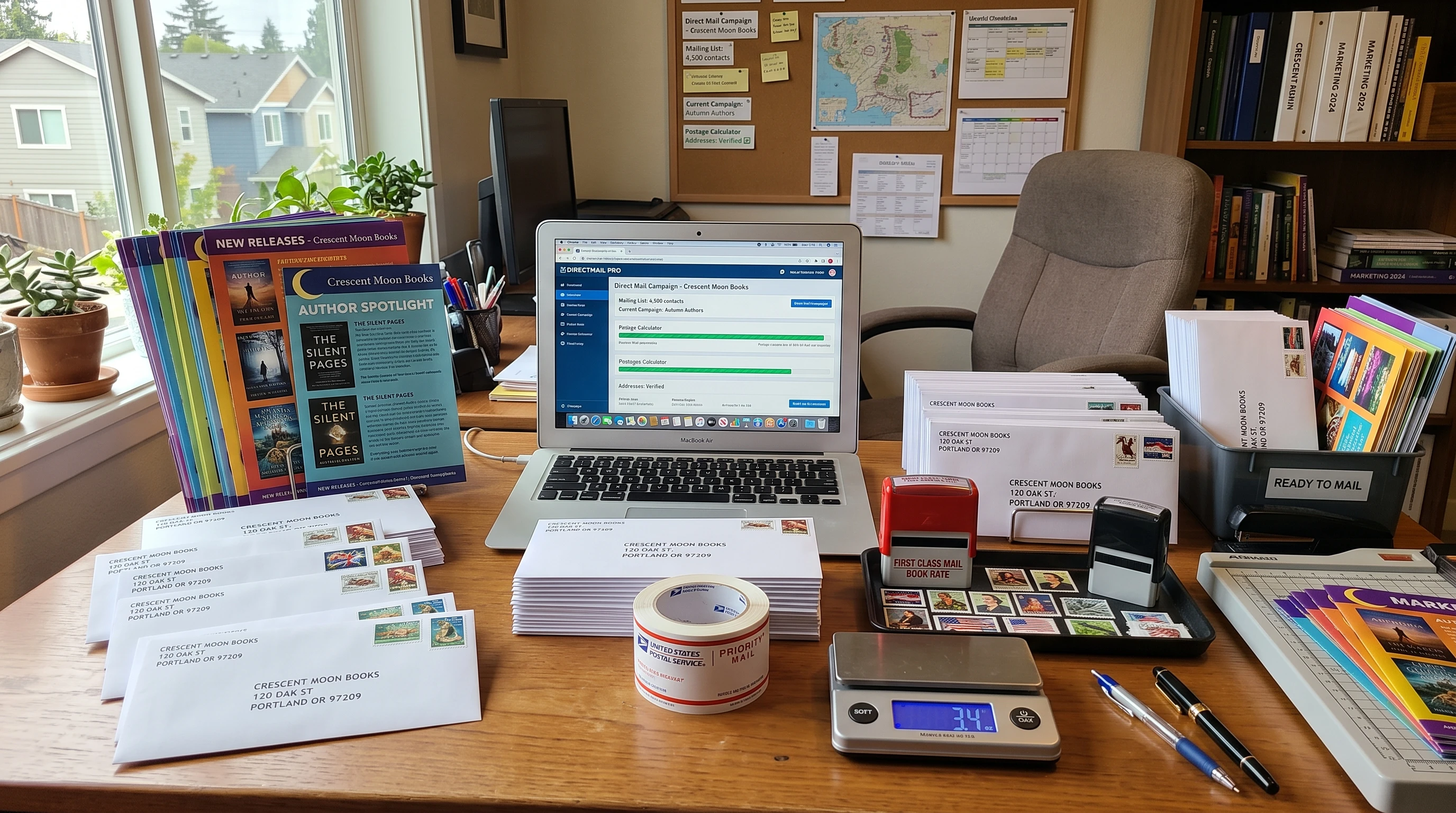
Homebased publishing, especially when orders are fulfilled as they arrive, matches perfectly with direct mail. You can sit at your kitchen table and process a day’s worth of orders and mailings in an afternoon, with no warehouse or staff needed.
Getting Your Audience Right: The Key to Response
Targeting is where mail campaigns pay off for small publishers. Your results depend less on how eye catching your flyer is and more on whether you mailed to the right people. Building your own buyers list is ideal, but when you’re getting started, you’ll probably rely on rented mailing lists from reputable list brokers.
Some solid list brokers worth checking out are:
- SRDS (Standard Rate and Data Service): A big industry player, offering lists sorted by buying behavior, niche, and more.
- NextMark: Userfriendly for smaller publishers, with easy filtering of lists by topic and recency.
- Minniear Marketing: Known for business opportunity, health, hobby, and self improvement lists.
Careful research helps buyers make informed decisions. Look for lists of proven buyers interested in the exact type of info you’re selling. Don’t waste time with general “occupant” lists; precision always wins in this game.
Setting Goals and Having the Right Mindset
Direct mail requires a different mindset than digital. Every single campaign does not need to turn a huge profit, especially in the early days. First, focus on building a buyer base and refining your offer. Set clear goals: maybe you want to add 100 new buyers this month, or just test a new headline. Think in terms of long term, steady growth, not just quick hits.
It’s really important to treat each mailing as a learning experience. Test new offers, track every detail, and make small changes as you go. Sometimes you’ll just break even, or even lose a little, but those buyers can become the core of your business, especially when you plan smart follow up offers.
On Demand Fulfillment and the Online Piece
A top benefit of this model is not having to commit to a huge inventory up front. Instead, you create and print (or digitally deliver) only when you make a sale. Digital delivery tools like Gumroad or Payhip come in handy for sending out ebooks or reports. For print, tools like Lulu or Amazon KDP Print can get oneoff orders shipped directly to buyers, even if you’re just starting out.
A lot of people think you need online ads or fancy websites to market info products. For this strategy, your online systems are just the fulfillment method, not the marketing tool. Focus on optimizing the direct mail offer and process, and let your website serve as a simple order processing spot rather than a traffic driver.
Crafting Mail That Gets Opened (and Answered)
Direct mail stands out because it feels personal, especially if you address your buyer’s biggest challenges or frustrations. The best sales letters start by hitting a real pain point your audience faces.
For example, if you’re in the health niche, talk about that annoying symptom they struggle with. If it’s a business audience, address a common stumbling block you’ve solved yourself. You want your letter to read like it’s written by a fellow enthusiast, not a faceless business.
I focus on describing the solution I’m offering, not just the features of the info product. Tell a quick story, show that you get their problem, then share your answer. This approach paints you as an authority readers want to hear from, not just another seller dropping into their mailbox.
ROI, Response Rates, and Why They Matter
Calculating return on investment (ROI) and tracking response rates are key to knowing what’s working. ROI is simply the amount you spent on a mailing compared with how much profit you brought in. If you spent $500 to send 1,000 letters and made $1,000 in sales, that’s a solid 100% ROI. Typical response rates for cold lists are between 0.5% and 2%. As your list quality improves, especially once you’re mailing your own past buyers, rates can go much higher.
Don’t expect blockbuster numbers on your first try. The real growth happens when you retarget anyone who responds, upsell them later, and build a real relationship. These are all things that direct mail handles effectively for small publishers.
Building Your Own Buyers List for Future Mailings
Rented lists are only a starting point. The people who actually buy from you are your most valuable resource. I keep track of every buyer, creating my own highly targeted list to mail new offers to; these are folks who have already proven they buy info products.
Growing this list turns direct mail into a powerful, self funding engine. With each new campaign, you add more buyers, and your response rates go up because you’re mailing to your warmest fans instead of cold names.
To truly ramp things up, regularly offer your current buyers additional bonuses, small surveys, or special one time deals. Each touch builds loyalty and bumps up your response rates over time.
Back End Sales: Your Hidden Profit Center
The back end is where small publishers can really turn things around. This means selling something else—maybe a higher priced course, a subscription newsletter, or private coaching—only to people who have already bought from you. There are no additional advertising costs since you’re selling to folks who trust you already.
Even if your first mailing just breaks even, those follow up sales can bring in much more without extra marketing spend. Adding a backend product or offer is one of the best ways I’ve found to give ROI a real boost and keep buyers coming back for years.
Long Term Strategy, Authority, and Staying Consistent
Real authority in your niche does not come overnight. Every successful mailing and each problem you help someone solve builds your reputation. Keep putting out offers that truly help your readers and you’ll become the source everyone turns to in your space. Over time, this trust pays off with better response rates, bigger backend sales, and less effort required to get people to take action.
Stay consistent with your mailings, always improve your lists and offers, and genuinely care about solving your readers’ problems. This is the heart of long term direct mail marketing success, even from a small home office.
Practical FAQ for Direct Mail Info Publishers
What if my first mailing flops?
It’s completely normal to have some duds. Use the feedback. Tweak your headline, your offer, or your audience, and try again. Even top pros have “misses”. They just learn faster from them.
How often should I mail my buyers?
Monthly is a solid starting point, but some folks mail offers every two weeks. Watch your results, but don’t worry about mailing “too often” unless your audience pushes back.
Can I automate any part of this process?
Absolutely. You can use spreadsheets and print at home labels to batch process orders, and online print fulfillment tools for oneoff print jobs. As your list grows, consider working with a fulfillment house to save time and effort.
Should I try creative mail formats or stick with letters?
It depends on your niche, but a simple, personal letter often outperforms flashy postcards or odd shaped mailers. Test different formats, but always keep the focus on delivering clear value to your readers. Personal, relevant communication trumps gimmicky packages almost every time.