Setting up a homebased direct mail business can be a pretty smart move if you’re looking to launch something from your living room, using just your laptop and a decent printer. The beauty of this type of business is that it doesn’t need a big upfront investment, but planning your budget ahead is pretty important for smooth sailing, especially when you’re focusing on selfpublishing or selling your own products by mail. I’ll break down how to figure out your budget, what’s worth spending on now, and where you can upgrade as you grow. Plus, I’ll throw in some extra tips for keeping your business running smoothly and efficiently.
Understanding the Basics of a Homebased Direct Mail Business
Running a direct mail business from home is usually all about offering something you create, like booklets, planners, stickers, or other selfpublished products, to an audience you reach through advertising and mailing campaigns. Instead of going fully digital, you send actual physical products or marketing pieces straight to people’s doors. For this kind of business, your workflow covers creating the product, printing materials, preparing packages, and mailing items out. This approach is pretty handy for starting small and scaling up over time, especially with today’s home office tech becoming more affordable and userfriendly.
What You Really Need to Get Started
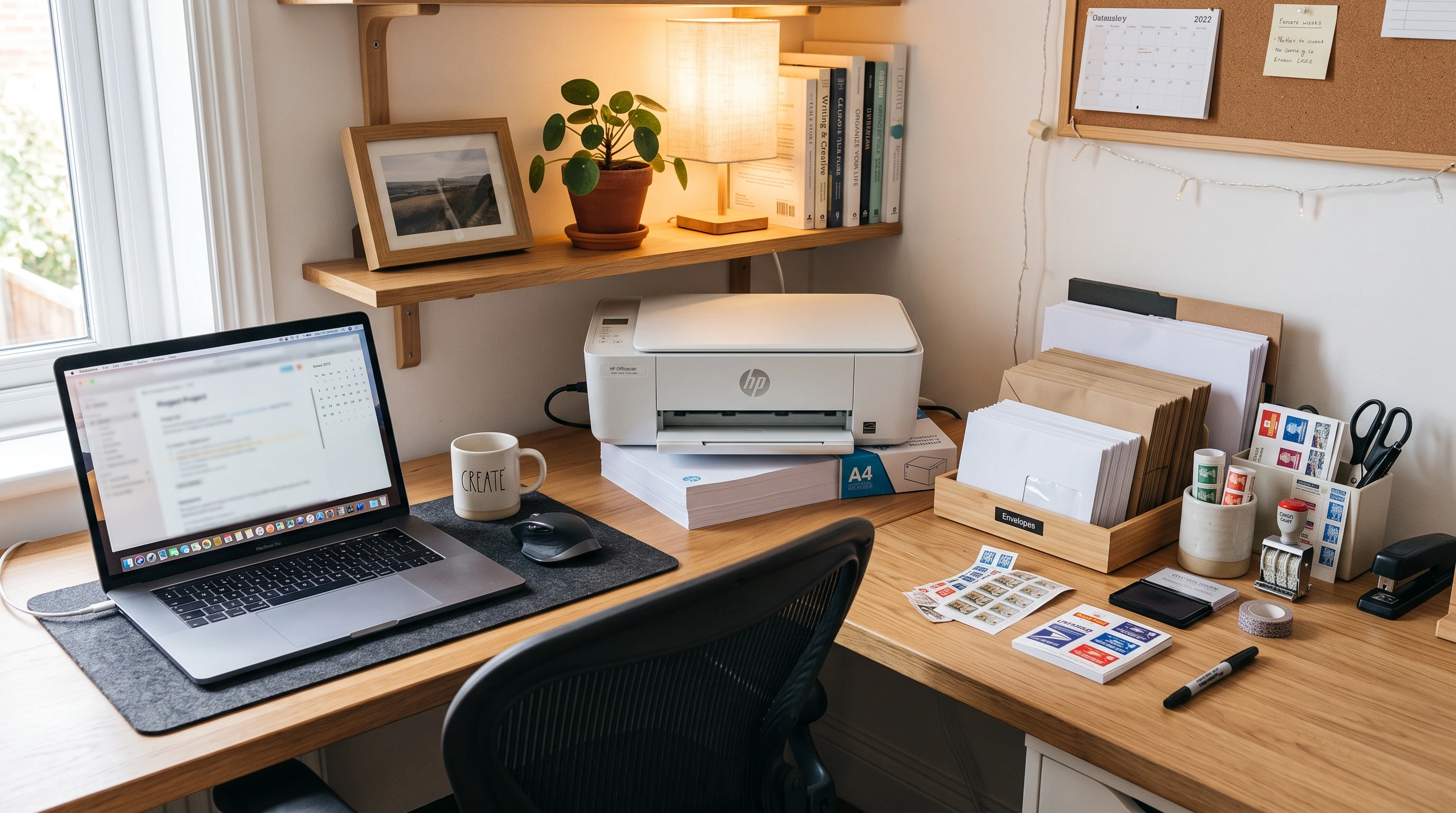
You don’t need a warehouse or a commercial printer to begin. With most folks already owning a laptop, the main things you’ll want to budget for include a printer (inkjet or laser), quality paper, envelopes or mailers, postage, and some basic software for designing and tracking orders. A simple home setup can handle printing up to a few hundred pieces a week. If you start small and reinvest profits, you can easily take your equipment up a notch as you go.
- Computer or Laptop: Any reliable device that can run office software and your design tools.
- Printer: A color inkjet is great for fullcolor projects and photos, while a laser printer works well for highvolume or black and white materials. Look for models that handle heavy paper if you want more professional results.
- Paper and Supplies: Start with quality printer paper or cardstock, and stock up on envelopes, stamps, labels, and packaging tape.
- Design and Management Software: Free design tools like Canva or beginner friendly options like Affinity Designer can save cash. Spreadsheets or simple order management apps will keep things organized.
Budgeting for StartUp Costs
Initial costs remain manageable if you keep things basic. Here’s a look at the major expenses for a home direct mail business:
- Printer: $100–$300 for a solid home office machine (either inkjet or entry level laser).
- Paper & Materials: $50–$150 for paper, envelopes, and a few packaging essentials.
- Postage: $50–$100 to cover initial mailing batches (buy stamps or postage online in advance).
- Design or Management Software: Free to $75 (optional, if you want to step up from free versions).
- Shipping Supplies: $20–$50 for bubble mailers, boxes, or tapes.
Most people find they can get started for under $600 (not counting the computer you likely already own). The biggest difference in budget usually comes down to the type of products you want to make and send. Is it simple flyers, or are you creating highquality planners, art prints, or zines? Your cost per product will differ quite a bit, so it’s worth running some sample numbers ahead of time. Many firsttime sellers also stumble upon deals by buying refurbished or openbox printers, adding extra flexibility to their budget.
Choosing Supplies and Equipment on a Small Budget
When funds are tight, stick to essential supplies and buy in small quantities to avoid waste. Start with:
- Multipurpose printer paper: Good for most flyers or order inserts.
- Sturdy envelopes or mailers: Protects your products and keeps shipping costs down.
- Basic color ink (if using inkjet): Shop around for compatible brands, but don’t sacrifice quality. The last thing you want is a faded product.
If you’re selfpublishing customized stickers, planners, or postcards, using heavier paper or specialty materials boosts the “wow” factor for buyers. Spend on quality where it matters most to your customers, and remember that first impressions can set you apart from the competition.
Factoring in Variable and Ongoing Costs
It’s really important to remember that costs don’t end after your first setup. You’ll want to keep money aside each month for supplies, postage, and eventual printer maintenance. Depending on your sales volume, variable costs like ink and postage can be the biggest expenses:
- Ink & toner: Refill as needed. Track your costs per print so you know what’s worth charging for each product.
- Paper & packaging: Buy in larger packs as your business grows for better deals, but keep storage space in mind.
- Postage: Watch out for postal rate changes, especially if you ship heavier or bulkier products.
- Upgrades & repairs: Set aside a small amount each month in case you need to replace a part or step up your printer down the line.
Budgeting for these ongoing expenses helps you avoid surprises and keeps your cash flow steady. It’s also smart to keep a running spreadsheet so you can spot trends and make smart adjustments as your business expands. As a perk, tracking everything closely can help at tax time as well, making it easier to claim deductions on your homebased business supplies.
Scaling Up: When to Invest in Better Equipment
Once sales start rolling in, reinvesting is the smart way to pump up production. Some signs you’re ready for an upgrade:
- Your printer can’t keep up with demand, or downtime is eating into your productivity.
- You want to offer new products, like bound books or complex mailers, that your current setup can’t handle.
- You find that buying materials in bulk would save money, but storage is tight. Maybe it’s time to reorganize your workspace or get some simple shelving units.
Move slowly with upgrades. Try out modest improvements like better paper or a more efficient label printer before making a big purchase. Also, track down used or refurbished equipment to lower costs during your business expansion. If you ever feel overwhelmed by order volume, remember that outsourcing some printing on rare occasions to a local print shop can be cheaper than splurging on professional gear right away.
Common Pitfalls and How to Avoid Them
- Overbuying supplies: Only order what you can reasonably use in a month or two, especially when you’re new and still working out your real demand.
- Ignoring hidden costs: Don’t forget about shipping insurance, returns, or packaging extras that might add up faster than you expect.
- Underestimating postage: Shipping costs can change and fluctuate a lot, so doublecheck rates for every product size. Always weigh finished packages before pricing out shipping.
- Not budgeting for marketing: Even a direct mail business needs some outreach! Reserve a bit of money for online ads, sample mailers, or local networking fees.
Paying close attention to these details will help you manage your resources and grow at a comfortable (and profitable) pace. It can also prevent waste, which is important not just for your wallet but for the environment, too.
Boosting Production Without Breaking the Bank
When you’re ready to take your business up a notch, there are some pretty handy tricks for increasing output using your existing gear:
- Batch printing and mailing; group orders to save time and avoid extra wear on your printer.
- Automate order tracking with simple spreadsheet templates or free project management tools.
- Outsource bigger jobs on occasion to local print shops if you land a large order, rather than upgrading everything at once.
- Team up with other homebased sellers for joint mail campaigns. When you share costs for supplies and postage, everyone wins.
This way, you can keep offering eye-catching products and services without blowing up your budget. Staying efficient will help you grow steadily and maintain quality, even as order numbers increase.
RealLife Example: Basic Starter Budget
Here’s a sample breakdown based on my own test runs and chats with others running direct mail businesses from home:
- Decent inkjet printer: $150
- Initial batch of ink & paper: $60
- Envelopes, bubble mailers, tape: $40
- Design software or app upgrades: $30
- Postage for 100 mailers: $70
Total: $350
With this, I was able to print and mail my own sticker packs and small planners. Sales from the first 100 mailers gave me enough to restock on supplies and even test out a specialty paper for my second round. The key was tracking all expenses closely, as nothing eats profit faster than forgotten supply orders or lastminute shipping upgrades. Another tip: if you keep a box or digital folder for every receipt and invoice, bookkeeping becomes a lot easier when taxes come around at the end of the year.
Frequently Asked Questions
Here are some questions folks often have when mapping out a direct mail business budget from home:
How do I pick the right printer for my products?
Start with an affordable color inkjet or small laser model that can handle cardstock. If you’re mainly doing text heavy mailers, a laser printer is usually faster and cheaper to run over time. Research models with good reviews for reliability, since frequent jams can waste both time and money.
What hidden costs should I watch for?
Keep an eye on ink/toner prices, specialty paper, oversized postage, and packaging materials. Even little stuff like return address labels can pile up if you’re not careful. Also, remember that things like promotional inserts or business cards have their own associated costs.
Should I start with bulk supplies or buy as I go?
Buy modest amounts to start, then scale up with bulk orders once you know your products are selling and you’ve figured out your monthly needs. This strategy helps prevent waste and lets you keep better control of your cash flow, especially when starting out.
How can I keep costs down as I grow?
Reinvest profits into higherefficiency printers, businessclass postage meters, or basic automation tools. Always check out used gear locally before splurging for brand new upgrades. And remember, sometimes small organizational changes, such as better storage bins or improved inventory tracking, can make a big difference in productivity for little or no additional cost.
By approaching your homebased direct mail adventure with a solid budget and openness to adjusting as you go, you’ll give yourself the best shot at building something sustainable and successful. Keep an eye on your numbers, stay flexible with your strategy, and don’t forget to enjoy the creative side of putting your own work out into the world. Good luck as you get your direct mail business off the ground!